When it comes to building performance, what you can’t see is often what costs you the most. Hidden air leaks, missing insulation, thermal bridging, and moisture intrusion can quietly drive up energy bills, strain mechanical systems, and reduce occupant comfort. Yet many of these issues remain invisible during a standard visual inspection. This is where thermal imaging changes the game.
By using infrared technology to detect temperature differences across surfaces, thermal imaging cameras allow building operators to see heat loss, air infiltration, and potential moisture problems within the building envelope. Instead of relying on assumptions, facility managers, engineers, and energy auditors can make data-driven decisions backed by visual evidence.
Whether you’re troubleshooting comfort complaints, validating retrofit work, or conducting a comprehensive energy audit, thermal imaging provides a powerful and non-invasive way to understand how your building envelope is truly performing.
What is a thermal image camera?
A thermal image camera (also called an infrared camera) is a device that detects heat instead of visible light. Rather than taking a regular picture, it captures temperature differences on surfaces and displays them as a color image showing warmer areas in one color and cooler areas in another.
A thermal image camera helps operators:
- Detect thermal bridging through studs, or beams
- Inform if there are any air leaks at windows, doors or HVAC connections.
- See if mechanical equipment is overheating
- Identify moisture intrusion.
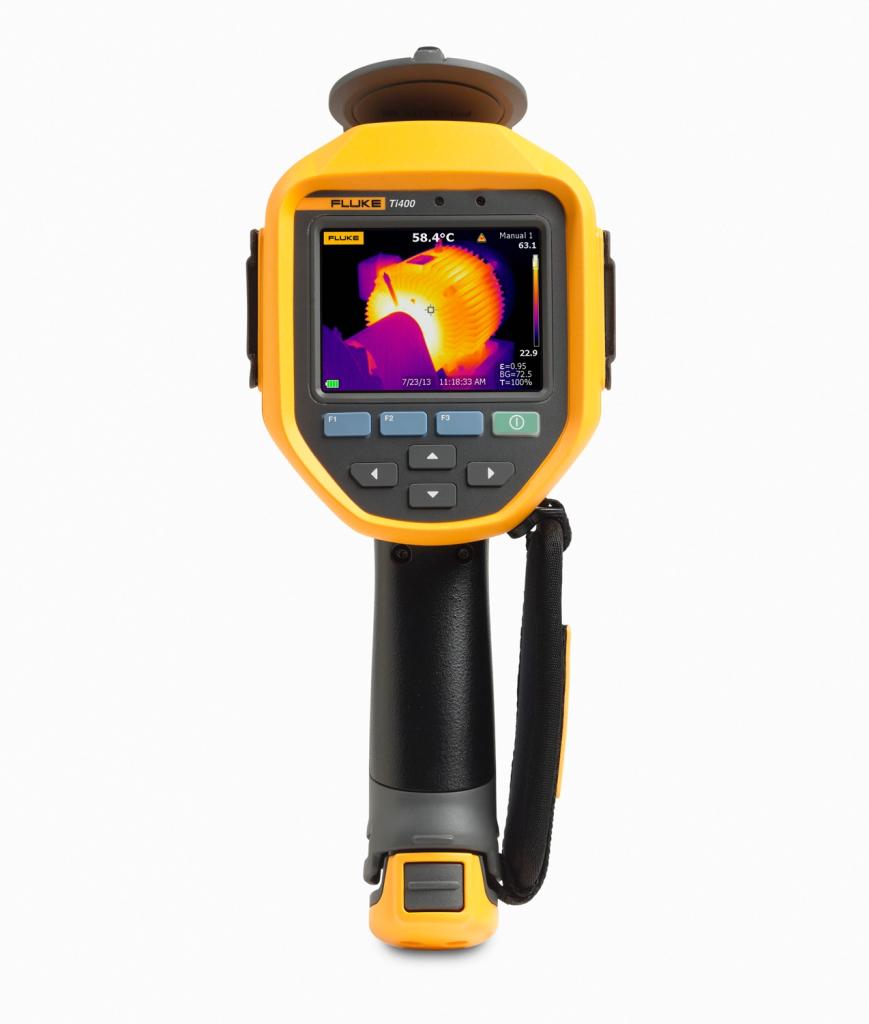
Source : Fluke
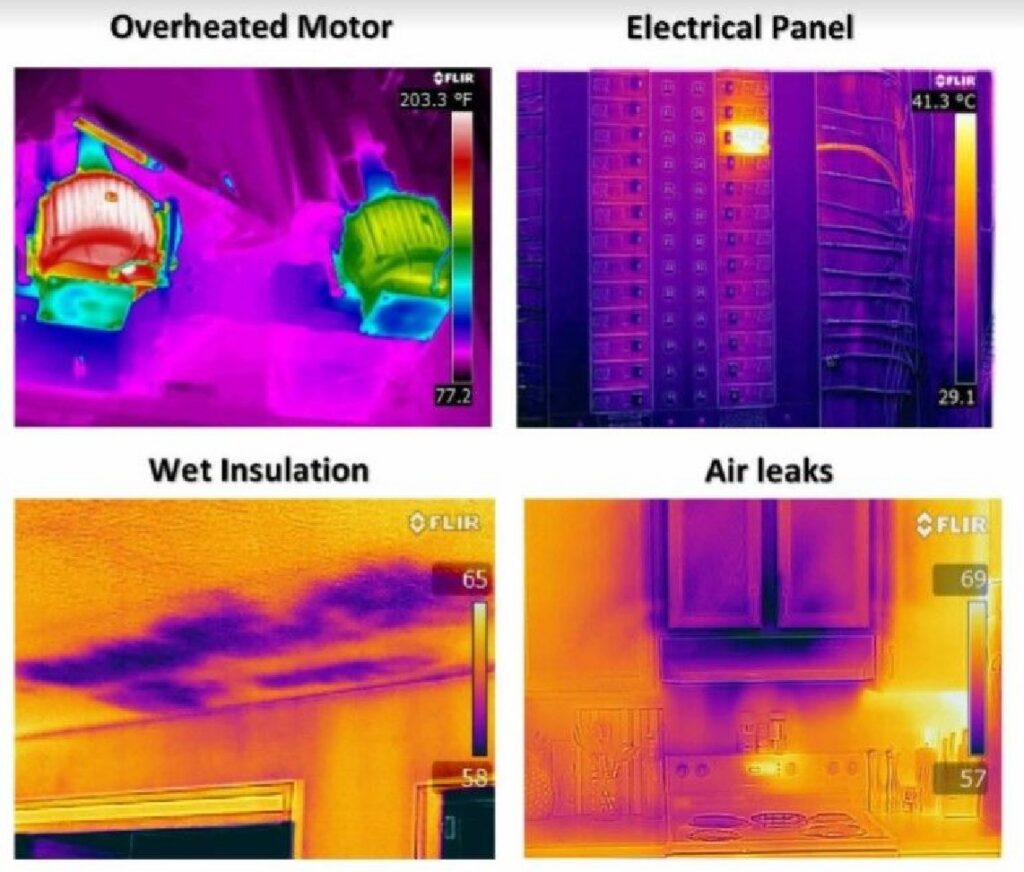
Why Facilities Managers should use a Thermal image camera:
- Reduce energy waste by identifying air leaks, and missing insulation.
- Detect overheating of mechanical equipment early before they fail.
- Improve preventive maintenance by having a program which monitors all the areas which a thermal image visibility is needed.
You can check out our equipment library to find a Thermal image camera suitable for your application by using the various filters and search functionality.